
As solar adoption grows, more homeowners are realizing that panels alone aren’t enough. The real difference in performance comes from the type of battery connected to the system.
For years, lead-acid batteries were the default choice, but their short lifespan, slow charging, and high replacement costs have pushed people to look for better options.
Lithium batteries, especially LiFePO₄, are quickly becoming the preferred standard. They last longer, store more usable energy, and help solar systems perform better day and night.
What Makes Lithium Batteries Different?
Lithium batteries aren’t just a newer version of older batteries; they work differently at the core.
LiFePO₄ (Lithium Iron Phosphate) uses a more stable chemistry that delivers consistent power without overheating. It holds energy better, delivers steady voltage, and handles thousands of charge cycles without wearing out quickly.
Because of this chemistry, lithium batteries offer:
- Strong voltage stability, so appliances run smoothly
- Higher energy density, meaning more usable power in a smaller size
- Improved safety, thanks to stable internal reactions and better thermal control
These differences make lithium a much better match for modern solar needs.
Key Benefits of Lithium Batteries for Solar Users
This section highlights the practical benefits homeowners actually feel, not just technical features.
Longer lifespan (≥6000 cycles)
Lithium batteries last years longer than lead-acid. You don’t have to replace them often, which immediately lowers long-term costs.
Faster charging and better discharge efficiency
They charge quickly and deliver more of their stored energy. You get more power from the same sunlight without waste.
Reduced energy waste and lower heat generation
Lithium batteries lose less energy during storage and release. They operate cooler, which improves performance and safety.
Better performance during outages
With higher usable capacity, your lights, fans, and devices can run longer without the grid.
Low maintenance compared to lead-acid
No water topping, no regular servicing, no early replacements, just consistent performance.

How Lithium Batteries Lower Long-Term Energy Costs
This part explains how lithium batteries save money over time, not just on the first day of installation.
Fewer replacements over 10–15 years
Lithium lasts far longer, which means fewer visits from technicians and fewer full replacements.
Higher usable capacity (Depth of Discharge)
Lithium batteries deliver more actual power each cycle. Lead-acid batteries can only use a small portion of their total capacity before risking damage.
Lower total cost of ownership
Between longer lifespan, better efficiency, and fewer maintenance requirements, the lifetime cost of lithium is much lower.
Supports efficient inverter performance
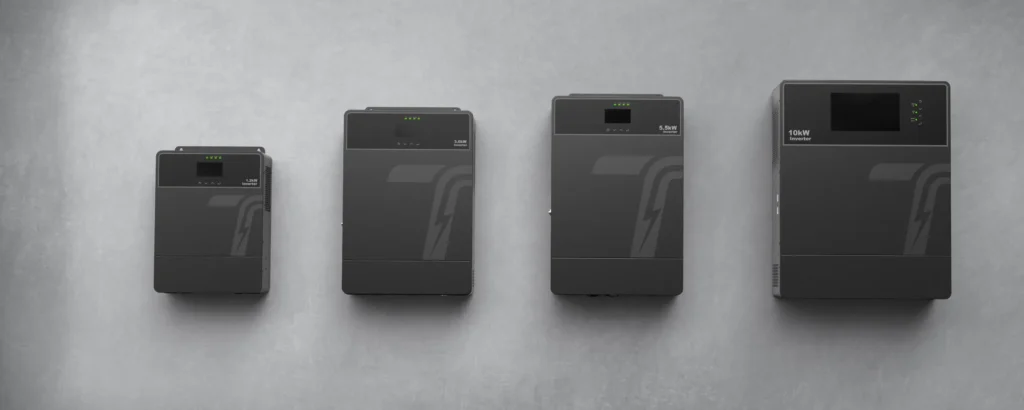
Lithium batteries pair better with modern inverters, allowing smoother switching, higher discharge rates, and stable backup.
Lithium Batteries and Solar Panels: The Perfect Pair
This section covers why lithium and solar naturally work well together, especially for modern homes.
Solar panels produce variable amounts of power depending on weather and time of day. Lithium batteries help stabilize this by storing energy efficiently and releasing it steadily.
How LiFePO₄ stabilizes power
It keeps voltage consistent, so appliances run smoothly without dips or spikes.
Better nighttime backup
Lithium batteries hold their charge well and discharge efficiently, making night use more reliable.
Works with hybrid or off-grid systems
Whether your home uses grid-tied solar, full off-grid setups, or hybrid inverters, lithium batteries integrate easily.
Comparing Lithium to Lead-Acid Batteries
This section gives a straightforward comparison to help readers understand what they gain by switching to lithium.
Cycle life
- Lead-acid: 300–800 cycles
- Lithium (LiFePO₄): 4000–6000+ cycles
- Lithium clearly lasts longer.
Usable capacity
- Lead-acid can only use about 30–50% of its energy.
- Lithium can use 80–95% safely.
Safety + maintenance
- Lead-acid requires frequent checks, ventilation, and servicing.
- Lithium requires almost no maintenance.
Cost breakdown
- Lead-acid seems cheaper upfront, but with replacements, maintenance, and poor efficiency, it costs more in the long run.
- Lithium costs more initially but saves money over the years.
TURSAN Lithium Battery Options
Here, we highlight TURSAN’s available lithium batteries and what makes them reliable for home solar systems.
TURSAN provides lithium batteries built with durable LiFePO₄ technology and long cycle life. These models offer stability, safety, and consistent performance for everyday home use.
TSA-LFP12-100WMD / 200WMD / 300WMD
- HFD display screen
- Bluetooth + RS485 communication
- BYD LiFePO₄ cells
- Wide operating temperature range
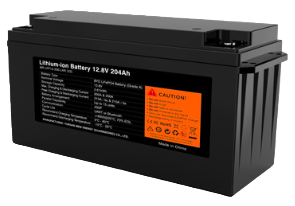
TSA-12V102A / 12V204Ah / 12V306Ah
- Long cycle life
- Reliable 12.8V output
- Bluetooth monitoring
- Designed for portable, home, or backup systems
These batteries are built to last and pair well with modern solar inverters, making them a strong choice for homeowners who want reliable energy storage without maintenance issues.
Conclusion
The conclusion ties everything together and reassures the reader that upgrading to lithium is a practical choice for long-term solar performance.
Lithium batteries deliver more value, more usable power, and a longer lifespan than older battery types. They reduce long-term costs, improve how your solar system performs, and keep your home running smoothly during outages.
As solar becomes more common in homes, lithium batteries are becoming the standard because they simply work better. They store energy efficiently, require less attention, and stay reliable for years.
If you want a solar system that performs well today and continues to deliver value long into the future, lithium batteries are the smarter choice.