
When people think of solar energy, they usually think of panels and batteries. But the real “engine” of any solar system is the inverter. It converts the DC power from your panels and batteries into the AC power your home appliances use.
A good inverter keeps everything running smoothly. A bad one can waste energy, underperform, or even damage appliances.
Many homeowners make the same mistakes, choosing an inverter based on price alone, buying one that doesn’t match their battery, or picking the wrong type for their home’s needs. Understanding the basics can help you avoid these problems.
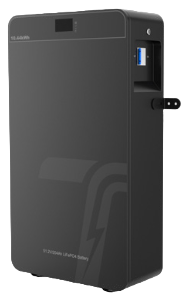
Types of Solar Inverters for Homes
This section breaks down the two main inverter types in simple terms so homeowners can choose what fits their lifestyle.
Off-grid inverter
An off-grid inverter is designed for homes that rely mainly on batteries.
- Works during outages
- Ideal for locations with unreliable grid power
- Runs your essential appliances directly from stored energy
It’s best for people who want a strong backup system or those running mostly on battery power.
Hybrid inverter
A hybrid inverter can pull power from multiple sources:
- Solar
- Battery
- Grid
- Generator
It automatically switches between them depending on availability. This makes it the most flexible option for modern homes.
Hybrid inverters are becoming very popular because they let you use solar during the day, batteries at night, and the grid only when needed.
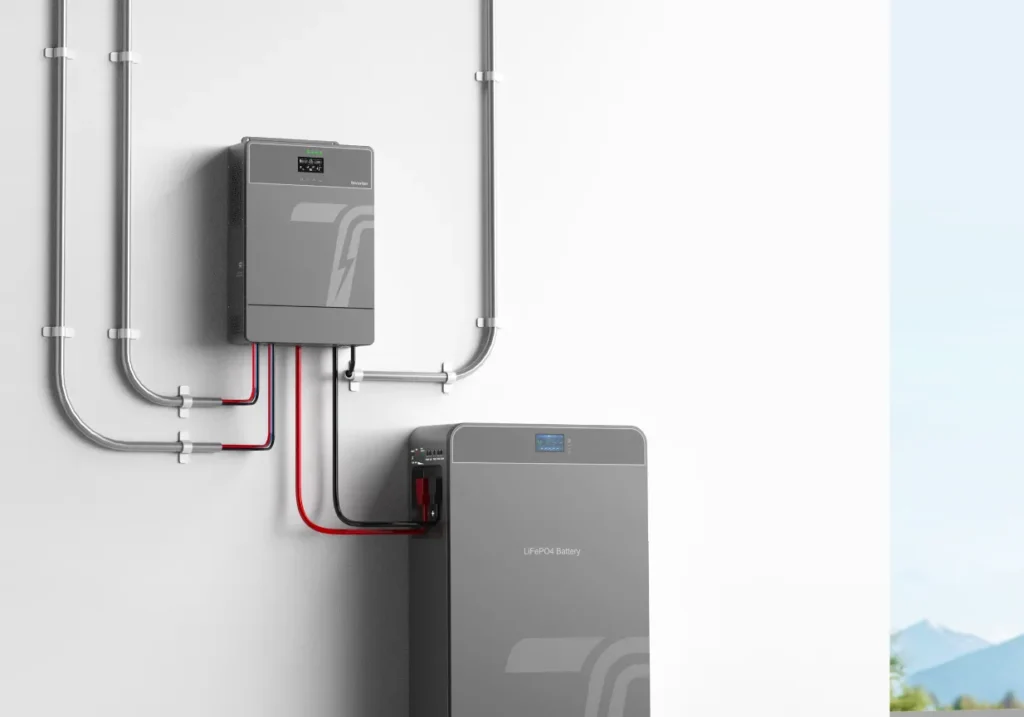
Key Factors to Consider Before Buying an Inverter
This part explains what you should check before choosing an inverter so you don’t get the wrong one.
Power rating (kW)
Choose an inverter that can handle your appliances. If the rating is too low, it will overload easily.
Battery compatibility
Your inverter must match your battery type, especially if you use lithium (LiFePO₄). Not all inverters support it.
Efficiency and MPPT tracking
A good inverter uses power efficiently and includes MPPT to get the most from your solar panels.
Safety protections
Look for features like:
- Overload protection
- Short-circuit protection
- Temperature control
These extend your system’s lifespan.
Communication ports (CAN/RS485)
These ports help your inverter talk to your battery. Better communication = safer and smoother performance.
Load type
Some appliances are sensitive to voltage changes. Choose an inverter that supports those loads without damaging them.
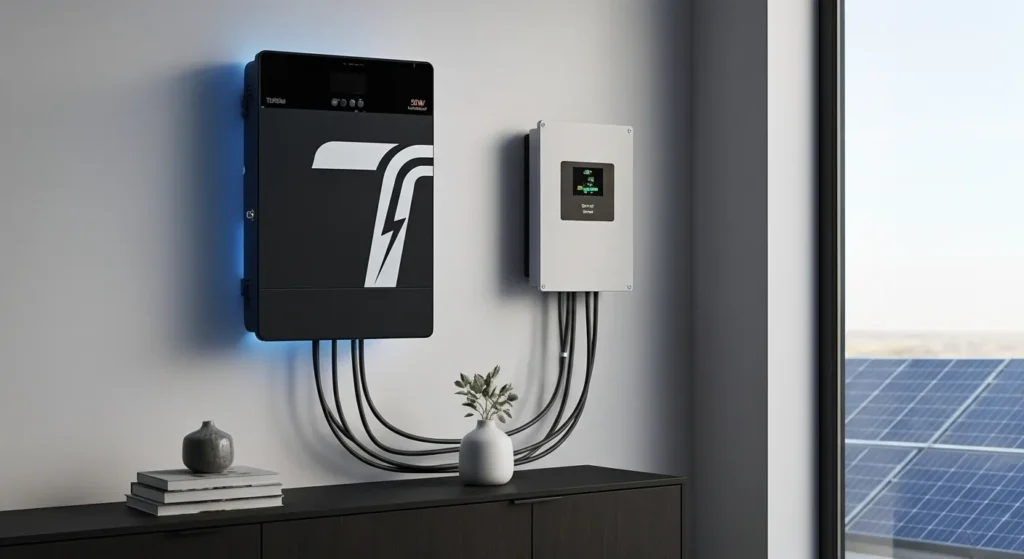
How to Match an Inverter to Your Home Needs
This section helps homeowners choose the right size and type based on real-life use.
Daily energy usage
List the appliances you want to power and how long you use them. This helps estimate the inverter size you need.
Backup requirements
Decide whether you want backup for essentials only (like lights and fans) or full-home coverage.
Appliance types
High-power appliances like pumps, ACs, or microwaves require an inverter with a stronger surge rating.
Growth and future expansion
If you plan to add more solar panels or batteries later, pick an inverter that can grow with your system.
Comparing Popular Home Inverter Options
This part highlights examples of home inverters and their best use cases.
TURSAN offers two main inverter options for homeowners:
JC-AC Off-Grid Series (1.2–10 kW)
Best for:
- Homes needing strong backup
- Areas with frequent outages
- Battery-only systems
JC-HY Hybrid Series (5.6–12 kW)
Best for:
- Homes that want to combine solar + battery + grid
- Full-time solar users
- People looking for flexibility and long-term savings
Why Hybrid Inverters Are Becoming the New Standard
This section explains why hybrid inverters are overtaking off-grid models in most homes.
- Supports multiple power sources: Hybrid inverters can draw power from wherever it’s available.
- Better energy management: They automatically choose the best source, helping you save money on energy bills.
- Ideal for solar + battery combos: If you want the biggest long-term savings, hybrid inverters give you the full benefit of solar energy.
Common Inverter Problems and How to Avoid Them
This part prepares homeowners for common issues and how to prevent them.
Overloading
Happens when the inverter can’t handle the power demand.
Solution: Choose the right kW rating.
Wrong battery pairing
An incompatible battery reduces performance.
Solution: Always check inverter–battery compatibility.
Poor installation
Bad wiring or placement can affect performance.
Solution: Use a trained installer.
Misconfigured settings
Incorrect voltage or charging settings can damage batteries.
Solution: Ensure the installer configures the system properly.
Conclusion
Choosing the right inverter doesn’t have to be complicated. Start by understanding your home’s energy needs, then pick an inverter that fits your appliances, your battery, and how much backup you want.
Off-grid inverters are great for pure backup systems. Hybrid inverters offer more flexibility and better energy savings over time.
When you choose the right one, your solar system runs better, lasts longer, and gives you dependable power every day.