
For many homeowners, the biggest frustration with solar has never been the panels; it’s the storage. People want a system that can keep their home running, reduce reliance on the grid, and handle daily power needs without constant upgrades.
But energy demand rarely stays the same. Families grow. Appliances increase. Work-from-home setups become permanent. Homes add freezers, ACs, or security systems. With each change, energy needs shift.
This is why more homeowners are moving toward stackable home energy storage, a system designed around real-life changes. Instead of buying one big battery upfront, you start small and add more storage when you actually need it.
As you read on, you’ll see how stackable batteries work, why they solve common solar frustrations, and the real benefits they bring to modern homes.
What Is Stackable Home Energy Storage?
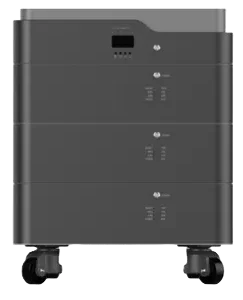
Stackable home energy storage is a modular system made up of battery “layers” or units that sit on top of each other. Think of it like adding building blocks. Each layer increases your total storage capacity.
For example, with a system that starts at 5.22kWh, you can add layers until you reach 26.1kWh. You’re not buying a different product each time; you’re expanding the one you already have.
This solves one of the biggest issues with traditional solar batteries: once you hit the limit of what they can store, you’re stuck. But with stackable storage, the system grows with you.
- Start with 1 layer if you only need a basic backup.
- Add more layers when your home demands more power.
- No need to throw away or replace what you already have.
Stackable systems adapt as your life changes. Whether your family grows, you add more appliances, or power outages increase, the system keeps up without forcing you into another big purchase.
Key Benefits of Stackable Solar Storage
This part breaks down the real advantages of modular storage, from cost savings and expandability to space efficiency and long-term convenience.
Expandability without replacing the battery
With a traditional system, outgrowing your battery means starting over. Stackable storage removes that frustration. When you need more power, you simply add another layer. Your initial investment stays useful, and each upgrade builds on the last one.
Cost-efficiency from gradual upgrades
Many homeowners want solar storage but can’t afford a large system upfront. Stackable batteries fix this problem by letting you:
- Start with a small unit
- Use it immediately
- Upgrade only when you truly need more power
You avoid buying more storage than you need early on, and you spread out the cost of expansion over time.
Space-saving, compact vertical design
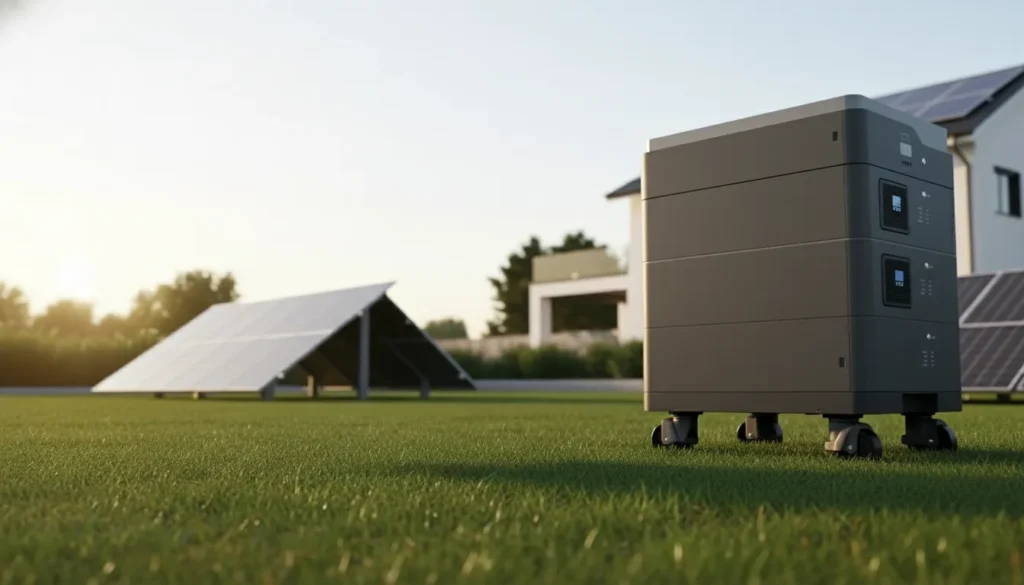
Storage is another concern for many homes. Not everyone has a dedicated room or a large outdoor area for bulky battery systems. Stackable units are designed vertically, using far less space than traditional side-by-side batteries. They fit neatly into corners, utility areas, or compact spaces.
Ideal for growing homes and evolving power needs
Maybe you’re living alone today, but expecting changes later, kids, elderly parents, a home office, or even more electronics. A stackable system removes the pressure of predicting the future. You don’t need to guess how much storage you’ll need years from now. The system adjusts whenever life does.
Easy installation and futureproofing
Adding a new layer doesn’t require a full installation process. The units are designed to stack, connect, and work together with minimal adjustments. This makes the system easier to maintain and ensures it’s ready for new solar technologies that may arrive in the future.
Why Stackable Systems Are Better Than Traditional Batteries
This section compares stackable batteries with older fixed-capacity options, helping you see why modular systems offer better performance and longevity.
Fixed-capacity vs scalable capacity
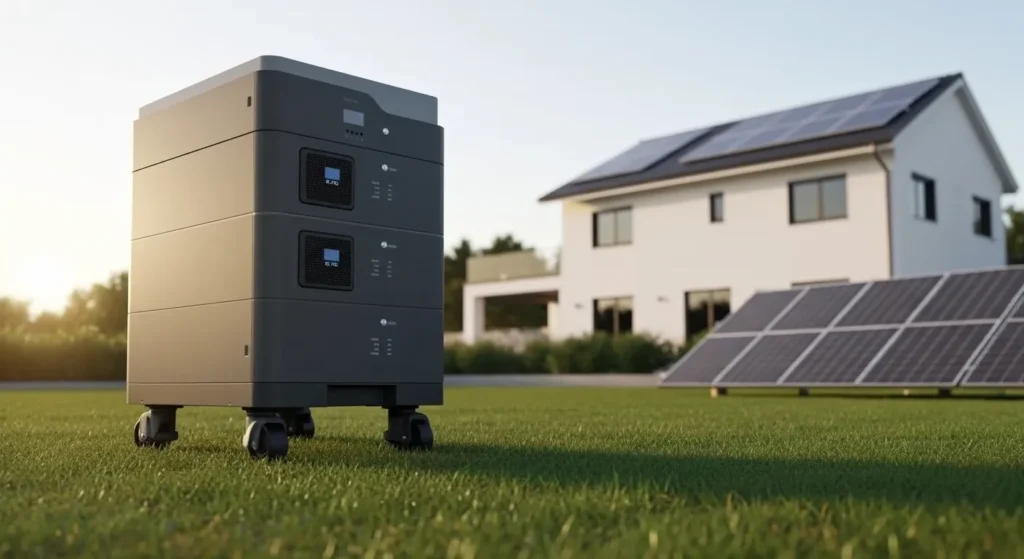
Traditional batteries offer a fixed storage limit. Once you reach it, you either upgrade the system or live with the restriction. Stackable storage eliminates that limit. You build capacity gradually, and your system never becomes “too small” for your needs.
Lower maintenance and better lifespan
Most stackable systems use LiFePO₄ technology, which is known for long cycle life, better temperature performance, and improved safety. Compared to lead-acid or older lithium types, LiFePO₄ requires less maintenance and lasts longer.
Higher energy density with LiFePO₄
LiFePO₄ batteries hold more usable energy in a smaller package. You get more backup power without increasing the size of your system. This improves efficiency and ensures that even a single layer delivers strong performance.
Real-World Use Cases
You’ll find simple examples of how different households use stackable storage to meet their daily energy needs and stay prepared for outages.
Homes starting with one battery
Some families start small; maybe they just want backup for lights, fans, and essential devices. One battery layer is enough. As their needs change, they can expand the system without replacing it.
Homes adding layers as power needs rise
A family might add new appliances later, or their energy use may grow after moving to remote work or adding security systems. Instead of buying a whole new system, they simply add another layer.
Backup power during outages
In areas with frequent blackouts or unstable grids, stackable storage gives homeowners an easy path to more backup capacity. If outages worsen, adding more layers ensures they stay powered longer.
This flexibility is why modular systems are becoming a preferred choice for residential solar setups.
How Stackable Storage Works with Solar Inverters
This section shows how stackable batteries integrate with solar inverters, making it easy to combine solar, grid, and battery power in one system.
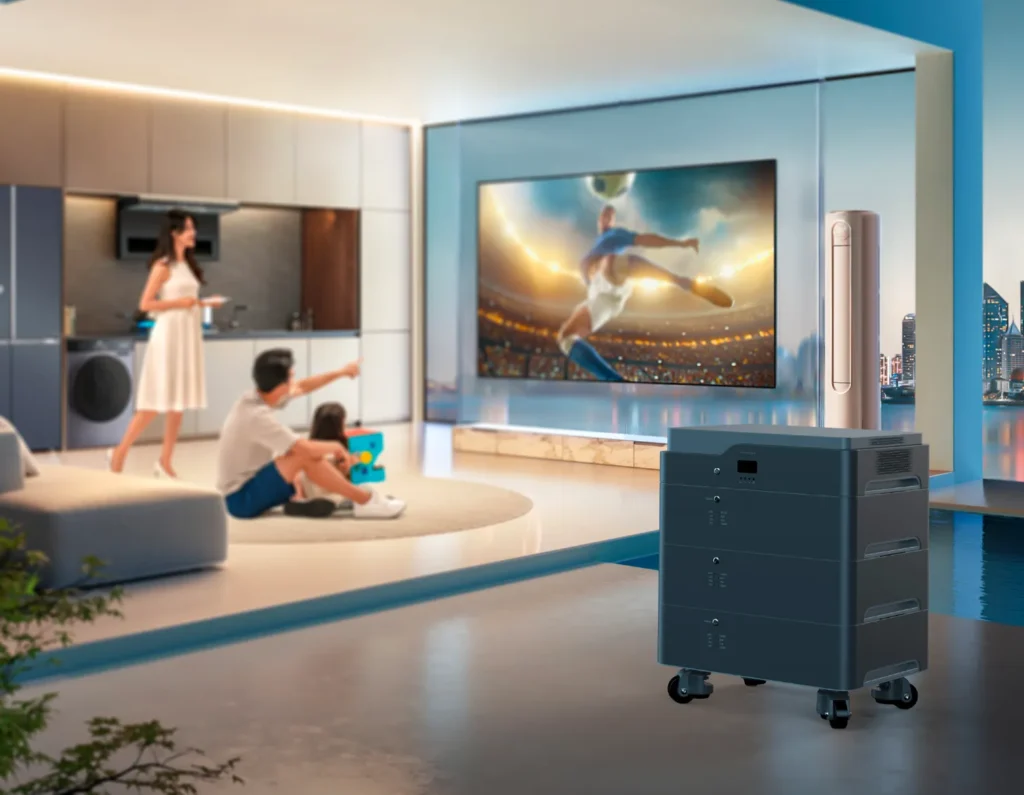
Stackable batteries integrate smoothly with both on-grid and off-grid systems. They communicate with the inverter using ports like USB and RS-485, ensuring that each new layer you add is recognized and managed properly.
With hybrid inverters, the system becomes even more effective. You can pull power from:
- Solar
- Battery
- Grid
- Generator
Hybrid inverters allow you to combine these power sources intelligently, directing excess solar into your stackable battery, reducing your grid usage, and giving automatic backup when the grid fails.
This makes stackable storage a practical option not just for outages but also for everyday energy savings.
TURSAN’s Stackable Home Energy System
This part highlights what makes TURSAN’s modular system reliable, flexible, and suitable for homeowners who want long-lasting solar storage.
TURSAN’s system is built around flexibility, durability, and safety. Each layer is designed to work independently and together. Homes can start with 5.22kWh and expand to 26.1kWh by adding more layers.
Several things make TURSAN’s stackable system stand out:
Flexible 1–5 layer expansion
You increase storage at your own pace without replacing earlier units.
BYD LiFePO₄ battery technology
BYD is one of the most trusted names in battery manufacturing. Their LiFePO₄ chemistry is known for safety, long cycle life, and stable performance.
Safety, reliability, long lifespan
The system is built for long-term use, with protection features that keep the batteries operating safely under various conditions. It combines strong performance with low maintenance, making it a dependable choice for homes.
Conclusion
Power needs are no longer predictable. Homes change, technology changes, and power usage grows. Stackable energy storage gives homeowners a system that adapts without waste or unnecessary costs.
Instead of buying a fixed system and hoping it fits for years, homeowners are choosing modular storage because:
- They can expand capacity over time
- They avoid large upfront costs
- They save space
- They get stronger performance from LiFePO₄
- They stay prepared for outages or higher energy use
Scalability isn’t just a feature; it’s becoming a necessity. And that’s why stackable home energy storage is shaping the future of residential solar systems.